Last updated
SOLUTION 03
ANALYTICS & AI ENABLEMENT
Real-time replication gives analytics and AI teams governed data as it changes, rather than a batch view that is hours or days behind. CCA synchronises structured data from mainframe and legacy systems into cloud and analytics platforms, protecting sensitive fields in transit so faster access does not multiply unprotected copies or bypass governance.
Trapped Between Two Undesirable Choices
Batch Is Slow. Shadow Copies Are Risky.
The choice: Traditional Batch ETL
What it means: Move data on a schedule - hours or days behind - so analytics and AI teams are always working from yesterday’s picture.
Why it fails
Traditional Batch ETL
- Data arrives hours or days after it changes
- Analytics teams build workarounds to compensate
- Pipelines break as source schemas evolve
- Insights often arrive too late to act on
The choice: Uncontrolled Shadow Copies
What it means: Let teams build their own extracts to get faster access, multiplying sensitive data copies with no governance attached.
Why it fails
Uncontrolled Shadow Data
- Every unofficial extract becomes a new attack surface
- Governance and lineage are lost outside official pipelines
- Sensitive fields duplicate silently across environments
- Audit and compliance become guesswork
A Real-Time, Protected Data Strategy
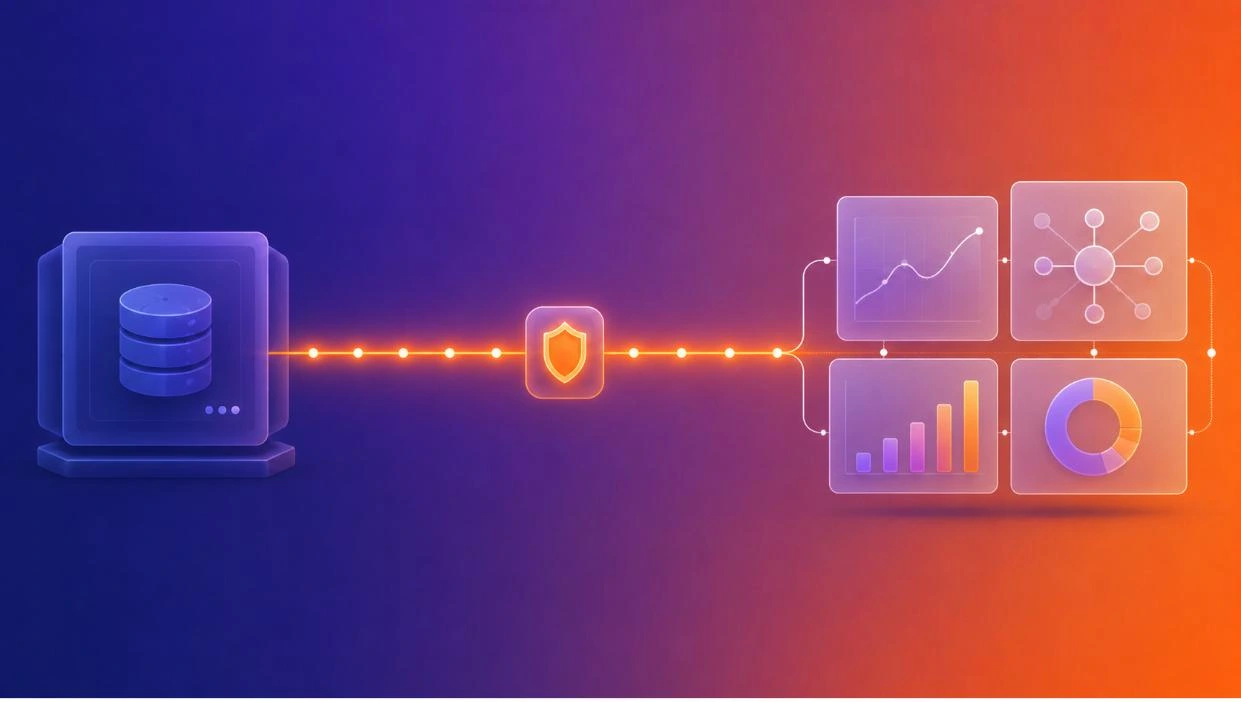
CCA and OpenText replicate structured data continuously as changes occur - protected by design - so analytics and AI platforms always work from current, governed data.
Continuous, Not Batch
Change data capture replaces overnight batch windows with a constant, low-impact stream of updates.
Source systems keep performing the transactional work they do well, while modern platforms consume data as it changes.
Significantly Reduces AI Risk
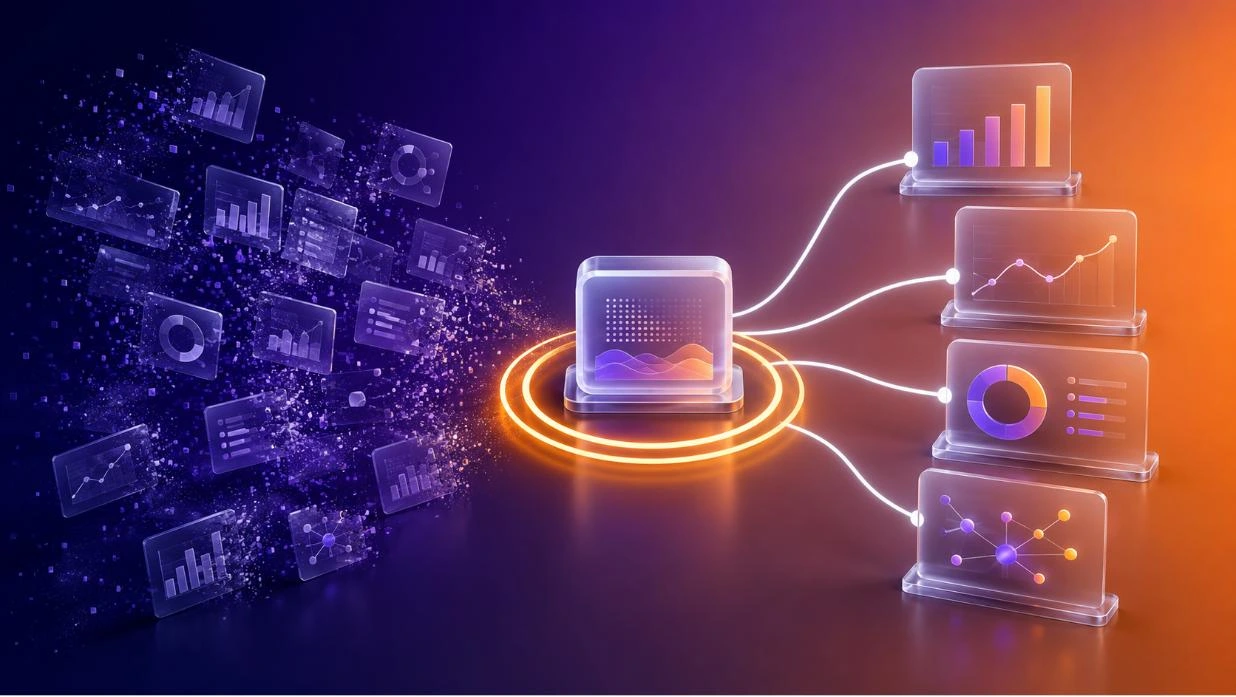
- Reduces the number of uncontrolled shadow copies across the estate
- Keeps sensitive fields protected throughout the replication pipeline
- Gives data science teams governed, real-time access to source data
- Avoids models being trained or run on stale, disconnected data
Real-Time Data, End to End
Continuous, governed replication from core systems into analytics and AI platforms.
Core Systems
Transactional workloads
Change Data Capture
Continuous, protected sync
Analytics & AI
Current, trusted data
Purpose-Built Components, Working as One
Rocket Data Replicate and Sync (RDRS)
Real-time change data capture and synchronisation across legacy and modern environments, as changes occur.
OpenText Voltage SecureData
Encryption, format-preserving encryption, tokenisation and policy-driven controls - without impacting usability.
CCA Secure Data Connector
Integrates real-time replication with protection services so sensitive data stays protected throughout synchronisation.
OpenText Voltage Data Security Platform (DSP)
Discovers and automatically classifies structured data assets - what exists, where it resides, and how it should be governed.
What the Solution Delivers
Change Data Capture
Continuous replication in place of nightly or weekly batch extraction.
Protected-by-Design Pipelines
Sensitive fields stay secured as they move into modern platforms.
AI-Ready Structured Data
Trusted, governed and current data models can actually rely on.
Reduced Shadow Data
Fewer uncontrolled copies of sensitive information across the estate.
Outcomes That Matter to the Business
Move From Retrospective to Real-Time Decisions
Accelerate AI & Analytics Time to Value
Reduce Shadow Data Across the Estate
Maintain Compliance at Speed
Preserve Source System Performance
Frequently asked questions
Why is batch data a problem for analytics and AI?
A batch view is hours or days behind the systems that generate the data. Real-time replication gives analytics and AI teams governed data as it changes, so models and dashboards work from current data rather than a stale extract.
Will continuous replication add load to our source systems?
Change data capture replaces overnight batch windows with a constant, low-impact stream of updates. Source systems keep performing the transactional work they do well while modern platforms consume data as it changes, rather than competing with them for a batch window.
How does this reduce AI risk?
Models are built and retrained on current, governed data rather than delayed extracts, and sensitive fields stay protected as they move into modern platforms. The approach also reduces the number of uncontrolled copies of sensitive information spread across the estate.
Do we still need nightly batch extraction?
Continuous replication is intended to replace it. Change data capture removes the nightly or weekly batch extraction that analytical platforms currently depend on, so data arrives as changes occur instead of on a schedule.
What happens to sensitive data as it moves into AI platforms?
Sensitive values are protected before delivery, not after. OpenText Voltage SecureData applies encryption, format-preserving encryption, tokenisation and policy-driven controls, and CCA Secure Data Connector keeps that protection in place throughout synchronisation into analytics and AI environments.
What does the solution actually deliver?
Continuous change data capture in place of batch extraction, protected sensitive fields as data enters modern platforms, and trusted, governed and current data that models can rely on. Rocket Data Replicate and Sync provides the replication and OpenText Voltage Data Security Platform discovers and classifies the structured data involved.
Give analytics and AI a real-time, trusted foundation.
Talk to a consultant about replicating your data continuously - without the shadow copies.
Talk to a consultant