Last updated
SOLUTION 04
BREACH & MISUSE MITIGATION
Data breach and misuse mitigation assumes attackers will get inside and makes the data itself useless to them. CCA applies persistent encryption, tokenisation and access governance to sensitive fields, so credential theft, insider misuse or a compromised network cannot turn stolen records into readable, reusable information.
Trapped Between Two Undesirable Choices
Perimeter Security Fails Silently. Access Controls Have Blind Spots.
The choice: Invest Only in Perimeter Defence
What it means: Rely on firewalls, network segmentation and endpoint protection, and assume attackers never make it inside.
Why it fails
Perimeter-Only Defence
- Assumes attackers never get inside the network
- One breach exposes all unprotected data at once
- No protection once credentials or networks are compromised
- Detection often comes only after the damage is done
The choice: Trust Identity & Access Alone
What it means: Depend on credentials and role-based access without protecting the data itself - so one compromise exposes everything.
Why it fails
Identity & Access Alone
- Excessive permissions accumulate silently over time
- Insider risk goes largely unmonitored
- Doesn’t neutralise data once credentials are stolen
- Hard to prove access was appropriate after the fact
A Data-Centric Breach Mitigation Strategy
CCA and OpenText combine persistent encryption and tokenisation with automated access governance - so stolen data stays useless, and excessive permissions get found and fixed automatically.
Protection That Travels With the Data
Persistent field-level encryption and tokenisation stay with the data wherever it moves - across analytics, cloud, SaaS and third-party platforms.
Centralised, flexible key management keeps control in your organisation’s hands, not an attacker’s.

Significantly Reduces Breach Impact
- Neutralises stolen data through persistent field-level protection
- Automates discovery and remediation of excessive permissions
- Integrates with identity systems like Active Directory for access visibility
- Reduces regulatory exposure even if infrastructure is compromised
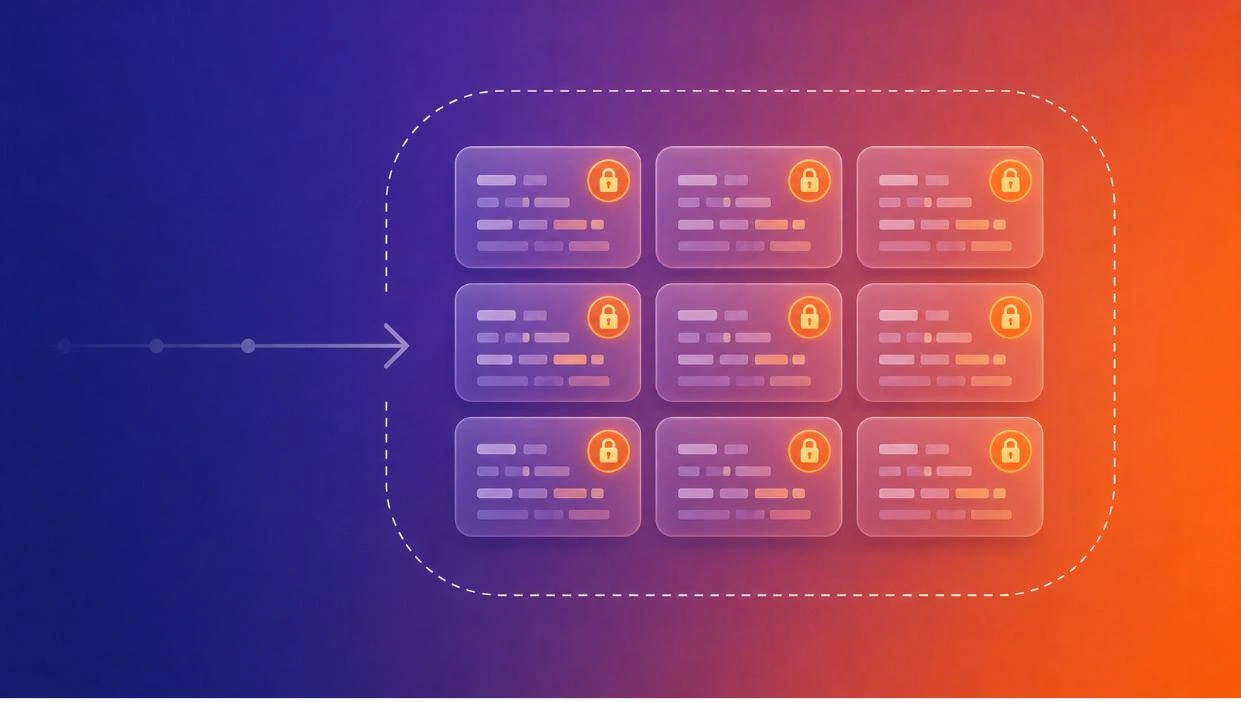
Assume Breach, Limit the Blast Radius
Persistent, policy-driven protection that keeps sensitive data unusable to attackers.
Sensitive Data
At rest, in transit, in use
Encrypt, Tokenise & Govern
Persistent, policy-driven
Breach Contained
Stolen data stays unusable
Purpose-Built Components, Working as One
Rocket Data Replicate and Sync (RDRS)
Real-time change data capture and synchronisation across legacy and modern environments, as changes occur.
OpenText Voltage SecureData
Encryption, format-preserving encryption, tokenisation and policy-driven controls - without impacting usability.
CCA Secure Data Connector
Integrates real-time replication with protection services so sensitive data stays protected throughout synchronisation.
OpenText Voltage Data Security Platform (DSP)
Discovers and automatically classifies structured data assets - what exists, where it resides, and how it should be governed.
What the Solution Delivers
Field-Level Encryption & Tokenisation
Format-preserving protection that travels with the data across every platform.
Centralised Key Management
Flexible control over encryption keys across hybrid environments.
Automated Access Governance
Discovers and remediates excessive permissions before they can be exploited.
Persistent Protection Everywhere
Sensitive data stays protected across analytics, cloud, SaaS and third parties.
Outcomes That Matter to the Business
Neutralise Stolen Data by Design
Reduce Insider & Credential Risk
Limit Regulatory & Reputational Exposure
Strengthen Resilience Even If Compromised
Automate Remediation of Excess Access
Frequently asked questions
What does “assume breach” mean in practice?
It means assuming attackers will get inside and making the data itself useless to them, instead of relying only on keeping them out. CCA applies persistent encryption, tokenisation and automated access governance so stolen data stays unusable.
Why is perimeter security not enough on its own?
Perimeter security fails silently and access controls have blind spots, so neither renders stolen data useless. Protection has to be applied to the data itself, not only to the boundary around it.
What happens to our data if it is stolen?
Persistent field-level encryption and tokenisation stay with the data wherever it moves, including analytics, cloud, SaaS and third-party platforms, so the data remains unusable to an attacker even once it is outside your environment.
Who controls the encryption keys?
Your organisation does. Centralised, flexible key management keeps control in your organisation’s hands rather than an attacker’s, with flexible control over keys across hybrid environments.
Does persistent protection break analytics or applications?
No. Format-preserving protection travels with the data across every platform, so downstream analytics, applications and workflows keep working while the raw sensitive values remain protected.
Is data only protected at rest?
Protection is persistent and policy-driven, applied at rest, in transit and in use. Automated access governance also finds and fixes excessive permissions automatically, which addresses misuse by users who are legitimately inside the environment.
See what a breach looks like when the data itself is protected.
Talk to a consultant about embedding persistent protection and access governance into your data estate.
Talk to a consultant