
SOLUTION 07
MAINFRAME WORKLOAD OPTIMISATION
Trapped Between Two Undesirable Choices
Buy More Mainframe Capacity
Add hardware or pay overage fees to keep pace with growing COBOL workloads, driving up MIPS and MSU-based software costs.
Rewrite or Replace COBOL
Undertake a risky, multi-year rewrite or migration of proven business logic just to free up processing capacity.
Neither addresses the real constraint: general processor capacity consumed by COBOL batch.
Modern organisations need a way to free that capacity without new hardware spend or code risk.
Capacity Upgrades Are Costly. Rewrites Are Risky.
Additional Hardware & MIPS Capacity
- Drives up software licensing costs tied to MIPS and MSU consumption
- Capital expense with long procurement and approval cycles
- Doesn’t reduce the underlying workload, just delays the ceiling
- Cost keeps compounding as batch volumes keep growing
Rewriting or Replacing COBOL
- Millions of lines of proven business logic must be re-validated
- High risk of introducing defects into mission-critical batch jobs
- Multi-year investment before any capacity is actually freed
- Specialist COBOL skills are increasingly scarce to support a rewrite
A Workload Redistribution Strategy
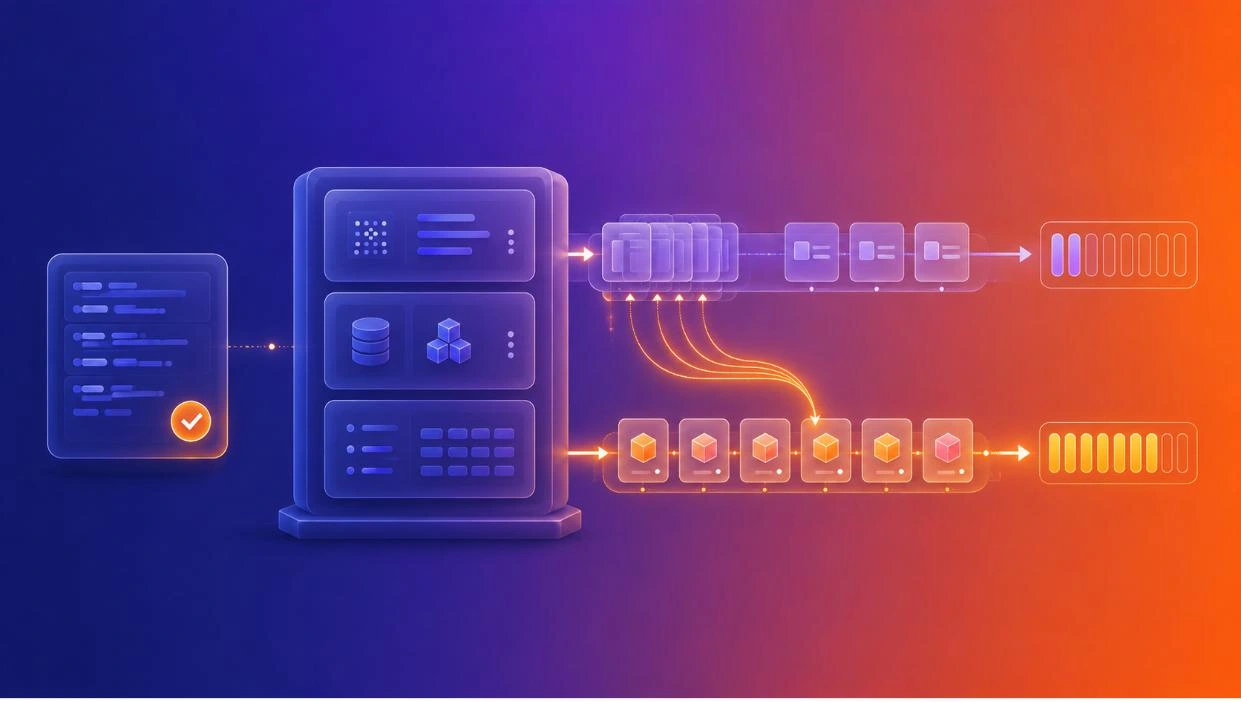
JOPAZ compiles COBOL workloads into zIIP-eligible Java bytecode — shifting high-utilisation batch processing off the general processor without changing a line of code.
Keep Your COBOL, Change Where It Runs
COBOL source code stays exactly as it is, maintained with the same familiar development tools your team already uses.
JOPAZ redistributes processor-intensive batch jobs to the IBM zIIP specialty engine, freeing general processor capacity instantly.
Significantly Reduces Cost and Risk
- Realises up to 80% CPU savings on batch COBOL workloads at execution
- Avoids costly hardware upgrades and MIPS/MSU licensing overages
- No code changes, data migration, or downtime required
- Transition workload at your own pace, application by application

Capacity Redistribution, End to End
COBOL batch workloads compiled and redistributed to free general processor capacity.
COBOL Batch Workloads
Running on the general processor
Compile to zIIP-Eligible Java
No code changes
Freed GP Capacity
For growth & innovation
How JOPAZ Works
COBOL-to-Java Compilation
Compiles existing COBOL source into zIIP-eligible Java bytecode — no rewrites, no manual conversion.
zIIP Workload Redistribution
Shifts high-utilisation batch processing off the general processor onto IBM’s zIIP specialty engine.
Proof-of-Value Engagement
Runs selected COBOL jobs with and without JOPAZ to measure real capacity savings before rollout.
Application-by-Application Rollout
Transition workloads gradually, at your own pace, with no disruption to production.
What the Solution Delivers
Up to 80% CPU Savings
Realise significant batch COBOL CPU savings at the point of execution.
Zero Code Changes
Existing COBOL source stays untouched and fully maintainable with familiar tools.
Lower Software Costs
Reduce licensing costs tied to MIPS and MSU consumption.
Capacity for What’s Next
Free general processor capacity for AI, analytics, and new workloads.
Outcomes That Matter to the Business
Reclaim Mainframe Capacity Without New Hardware
Cut MIPS-Based Software Licensing Costs
Avoid the Risk of Rewriting Proven COBOL
Free Capacity for AI & Digital Initiatives
Scale for Growth on the IBM Z You Trust
See how much capacity JOPAZ can free on your mainframe.
Talk to a consultant about a JOPAZ proof-of-value engagement.
Talk to a consultant